


When is it ever okay for you to cancel someone without first listening to their side of the story? Would you want people to speak up for you if you were unfairly cancelled? And how would that make you feel?
Nowadays, social media has become an open platform for people to share their lives, comment on other’s and express their opinions. Being behind a screen would mean that people are able to become anyone they want or nobody at all. We have been seeing celebrities being cancelled from left to right. Cancel culture can be seen as a public figure’s worst nightmare, but the attention that comes with it can also be a reason one would want to become a target. As viewers, we have been seeing increasing trends of people being cancelled without a good enough reason. This toxic culture of unfairly cancelling public figures has made us to think about where we have come to as a generation. Keep reading to find out whether you have unintentionally been a part of this dangerous movement!
What is Cancel culture?
Our definition is that “Cancel culture” is the new trend of social media. Many online users have used this trending #cancelled to publicly shame, boycott and disapprove certain groups of people including businesses. Why? it is to call out people’s past behaviours and what they have done. This often results in status decline, damaged reputation and even facing prosecution.
There is a saying that “Friends always have your back” and that is exactly it. Wrongful cancellation may come from the peer pressure, feeling entitled to being on a friend’s side regardless of the legitimacy of their argument. Cancel culture participants usually follow this basis of going with the flow and not forming their own rational judgements.
It is only normal for people to follow the public to fit in with society, this is what is called the herd animal effect. Blindly following a popular opinion to stay relevant or to avoid being an outcast is common in social media users. This is exactly how ideas in the cancel culture become toxic and dangerous.
Wrongful cancellation also derives from the feelings of jealousy and through being an opportunist. Some people would leech off others’ actions in hopes of blowing up someone’s career. However, through this process they usually fabricate fake stories and victimize themselves, so people turn against the star. This often ends up with made-up stories such as “I’ve been abused…”, “He sexually assaulted me …”.
Britney spears – mocked for her past image of being a reckless teenager (image created to suit meaning of her songs).
Being unfairly cancelled takes a toll on one’s mental health. Britney Spears an American singer- songwriter, mocked for her past image of being a reckless teenager which led to a downward spiral shown through the impulsive act of shaving her head! As well as checking herself into a mental health facility! Due to being unfairly cancelled Britney even said, “I don’t feel like I can live a full life”. However, through recent events it was clear how she had been unfairly cancelled and had straightforward evidence to act out, which now led to the movement of #FreeBritney.
One user tweeted “Britney Spears was carrying her baby and pregnant with her second child when she was chased by 300 paparazzi. She ran into a café hoping the manager would help but they laughed and took a picture of her crying. We are all to blame. #FreeBritney @Paparazzi #PressAbuse”.

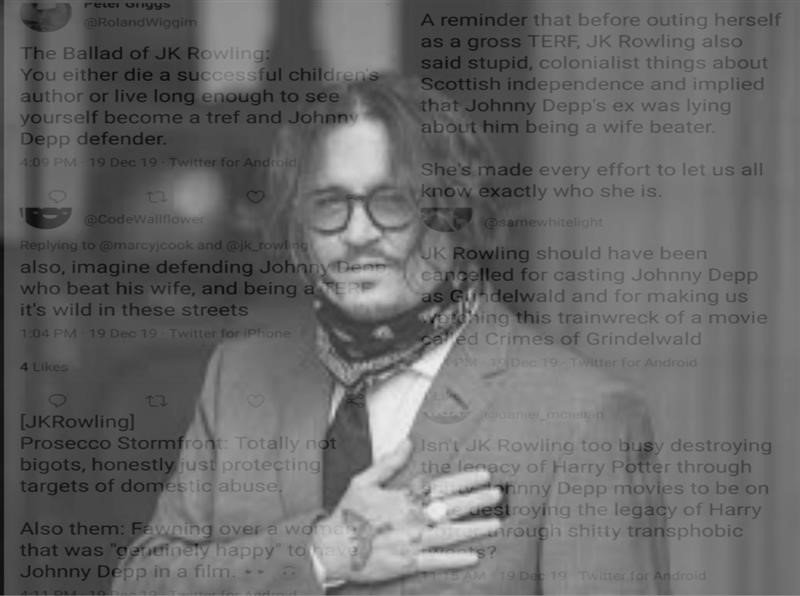
Johnny Depp – The latest celebrity to enter the world of cancel culture!
The Hollywood star actor has been known to be fired from major job opportunities from labels like Warner Brothers due to his damaged reputation from being a so called “wife- beater”. The trending hashtags on twitter in fact went from #JohnnyDeppisover to #JusticeforJohnnyDepp when vast amounts of evidence were revealed to back up the false accusations for abusing his ex-wife. For a movement that praises accountability, it sure does not practice what it preaches.
What can we do?
> Forgiveness:
- Learn to give second chances. Mistakes are common, everyone has committed mistakes at some point in their lives both in the past and in the present. Forgiving and forgetting may contribute to the countering of false cancel culture.
> Objective:
- Learn to think for ourselves based on facts and rationality. It is important to contemplate whether it is appropriate to indulge in an online cancellation based off a person’s story or off validating evidence which may say otherwise. This is so people can have a sense of individuality instead of blindly following other people’s footsteps.
> Understanding:
- Learn to view a story in both perspectives. Obviously, we cannot just accept that person is guilty just because we are being told so. A court case can only be fairly justified if the judge is able to listen to both sides of the case. This is exactly true with cancel culture, do not believe in one perspective when you have not listened to another.
 Trinity Newsroom